10 Best Small Towns in Poland to Visit in 2026
Poland’s major cities—Warsaw, Kraków, Gdańsk—get most of the attention, and rightfully so. But venture beyond the urban buzz and you’ll discover something even more enchanting: a collection of small towns that feel like they’ve been plucked straight from a storybook. We’re talking cobblestone streets, medieval castles perched on hilltops, and locals who still greet you with a warm “dzień dobry” as you wander past.
These hidden gems offer something the big cities can’t: authenticity without the crowds, history you can touch without jostling for space, and prices that won’t leave your wallet weeping. Whether you’re a history buff, a nature lover, or simply someone who enjoys getting delightfully lost down narrow alleyways, Poland’s small towns have something special waiting for you.
Ready to discover Poland’s best-kept secrets? Let’s explore ten small towns that deserve a spot on your travel bucket list.
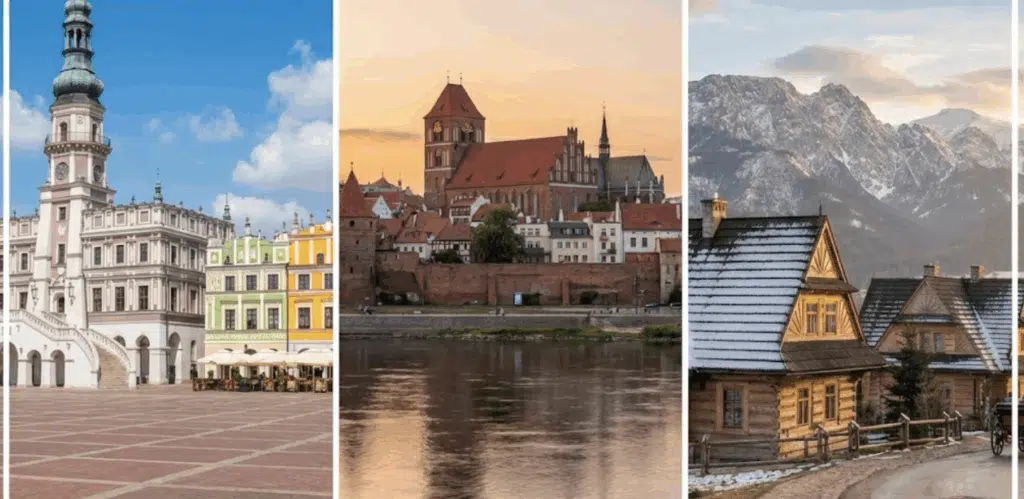
Why Visit Poland’s Small Towns?
Before we dive into our top picks, let’s talk about why you should swap the city lights for village nights (at least for a few days).
Authentic Cultural Experiences: In smaller towns, traditions aren’t museum pieces—they’re living, breathing parts of daily life. You’ll stumble upon local festivals, watch craftspeople at work, and taste recipes that have been passed down through generations.
Budget-Friendly Travel: Your money stretches further here. Accommodation, meals, and attractions cost significantly less than in major cities, meaning you can splurge on that extra pierogi platter (or three) without guilt.
Stunning Natural Settings: Many of these towns nestle against mountains, forests, or rivers. You’ll wake up to views that make you wonder if you’ve accidentally wandered into a painting.
Fewer Tourists, More Magic: While tourists queue for hours at Wawel Castle, you could have an entire Gothic church to yourself. Or watch the sunset from a hilltop fortress without a single selfie stick in sight.
Our Best Picsk For You
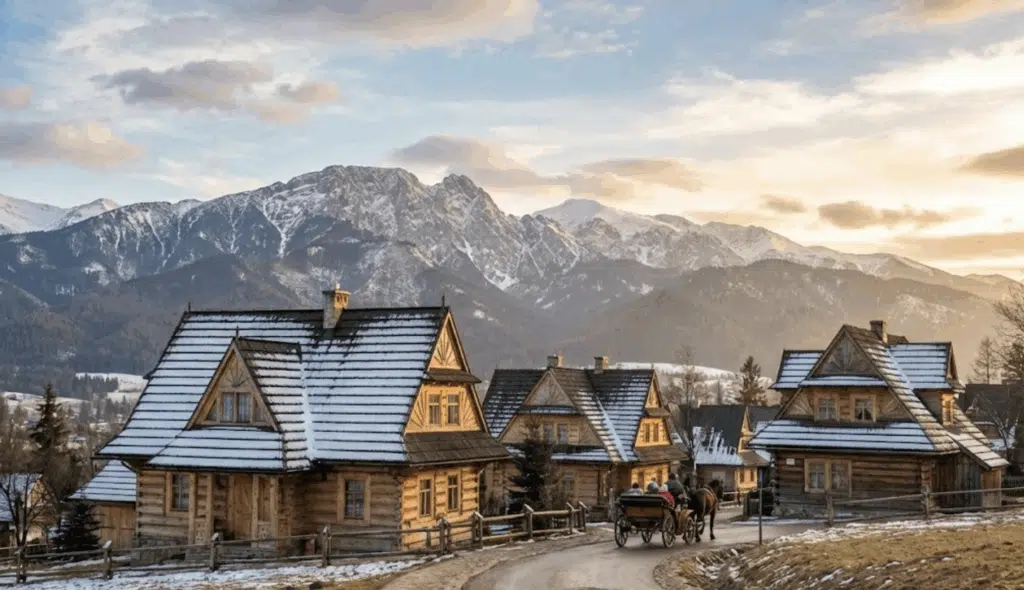
1. Zakopane – The Winter Capital of Poland
Tucked beneath the dramatic peaks of the Tatra Mountains, Zakopane is where Poles go when they want to feel like they’re in the Alps (but closer and more affordable). This mountain resort town serves as the gateway to Tatra National Park and transforms into a winter wonderland when snow blankets the peaks.
What Makes It Special: Zakopane boasts a unique architectural style called “Zakopane Style,” featuring distinctive wooden chalets with intricate carvings. The bustling Krupówki Street offers everything from traditional highlander cheese (oscypek) to quirky souvenir shops.
Don’t Miss: Take the cable car up Gubałówka for panoramic mountain views, hike through Tatra National Park, and warm up with a steaming bowl of żurek (sour rye soup) in a traditional mountain lodge.
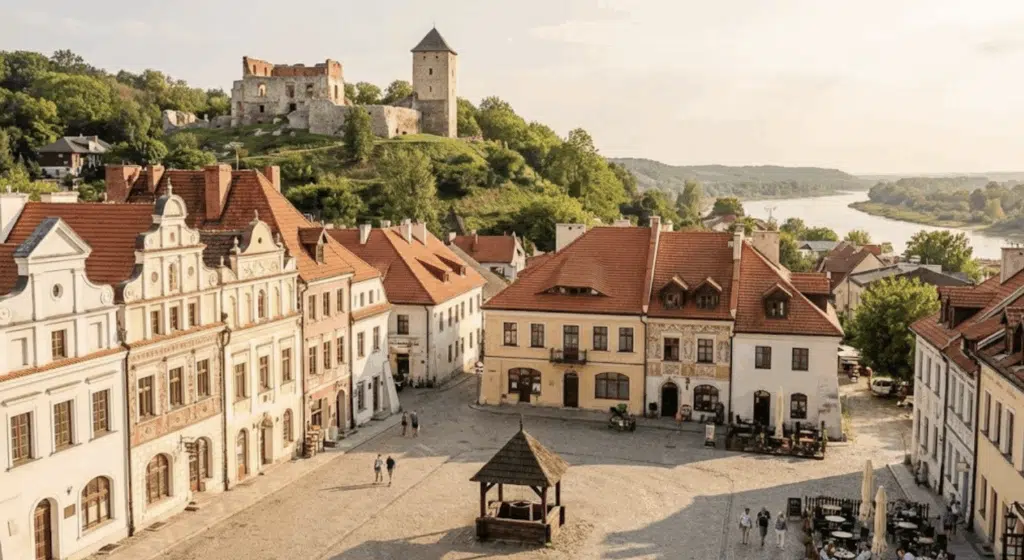
2. Kazimierz Dolny – The Artists’ Haven
This picturesque town on the Vistula River has been inspiring painters, poets, and daydreamers for centuries. Kazimierz Dolny feels like it exists slightly outside of time, where Renaissance townhouses lean companionably against each other and every corner reveals another Instagram-worthy vista.
What Makes It Special: The cobblestone Market Square serves as the town’s beating heart, surrounded by colourful merchants’ houses with distinctive sgraffito decorations. Perched above the town are the atmospheric ruins of a medieval castle and tower, offering stunning views across the Vistula valley.
Don’t Miss: Climb to the Hill of Three Crosses for sunset views, explore the castle ruins, browse local art galleries, and sample the town’s famous cockerels—sweet bread shaped like roosters that make perfect edible souvenirs.
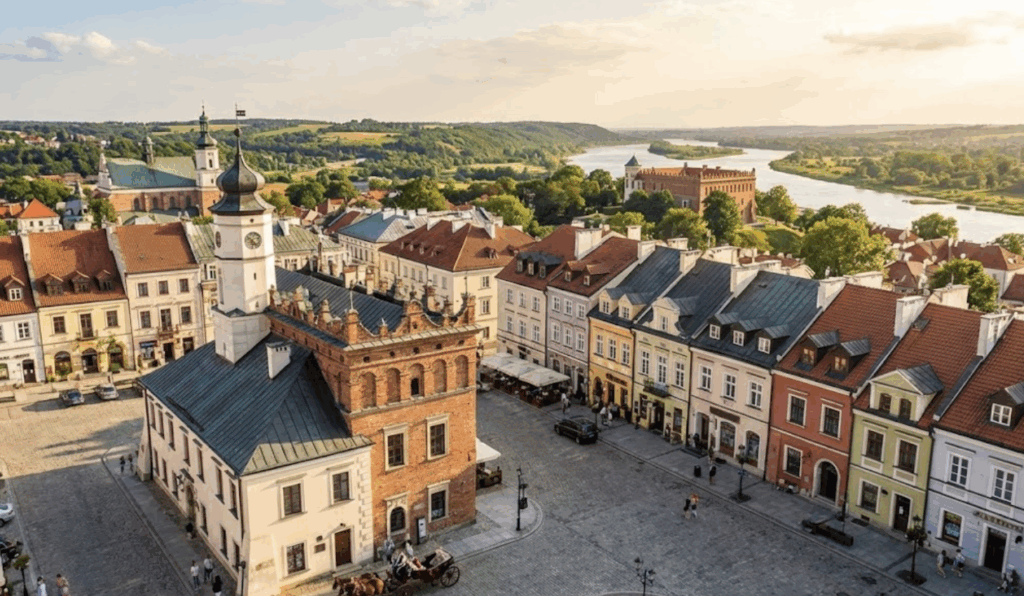
3. Sandomierz – The Town with Secrets Underground
Sandomierz might look like a typical medieval Polish town at first glance, but beneath its charming streets lies a fascinating secret: a 470-metre labyrinth of underground tunnels and cellars that has been open to visitors since 1997.
What Makes It Special: The Underground Tourist Route takes you through a maze of interconnected cellars that were once merchant warehouses. Above ground, the Old Town enchants with its Renaissance townhouses and the striking 16th-century Opatowska Gate, the only surviving city gate in Sandomierz.
Don’t Miss: Tour the underground passages, climb the bell tower for panoramic views, and wander through the atmospheric Old Town, where every building seems to have a story etched into its walls.
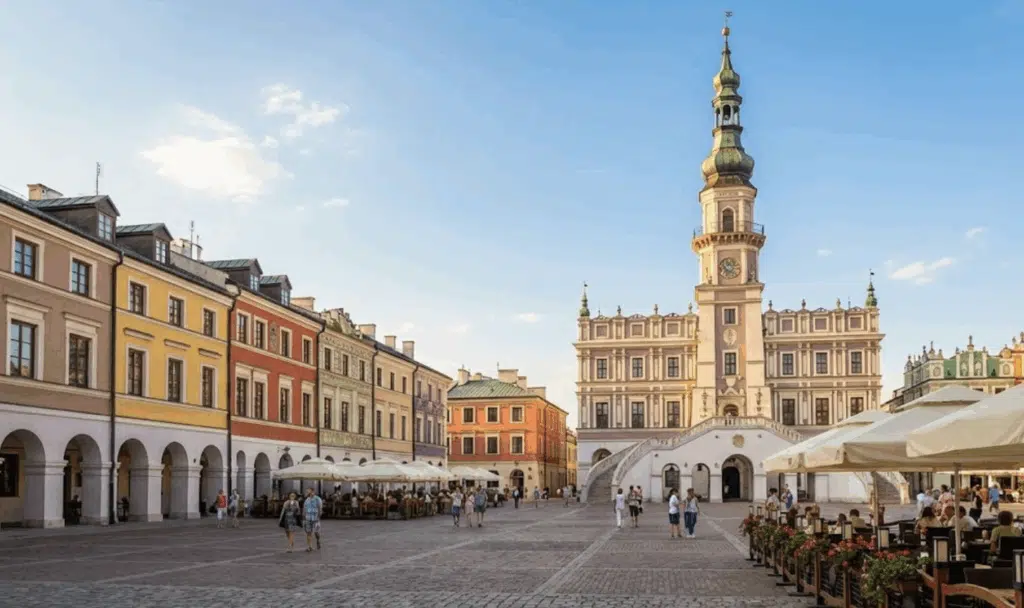
4. Zamość – The Renaissance Jewel
If you’ve ever wondered what a “perfect” Renaissance town looks like, Zamość has the answer. Founded in the 16th century by Chancellor Jan Zamoyski and designed by Italian architect Bernardo Morando, this UNESCO World Heritage site was built according to Italian theories of the “ideal city”—and honestly, they might have been onto something.
What Makes It Special: Zamość has retained its original layout and fortifications almost perfectly. The town’s Great Market Square, surrounded by elegant arcaded houses, feels like walking onto a Renaissance film set (minus the cameras and craft services table).
Don’t Miss: The magnificent Town Hall anchoring the market square, the cathedral with its stunning interior, and a walk along the surviving fortification walls. Time your visit for one of the summer festivals when the square comes alive with music and celebration.
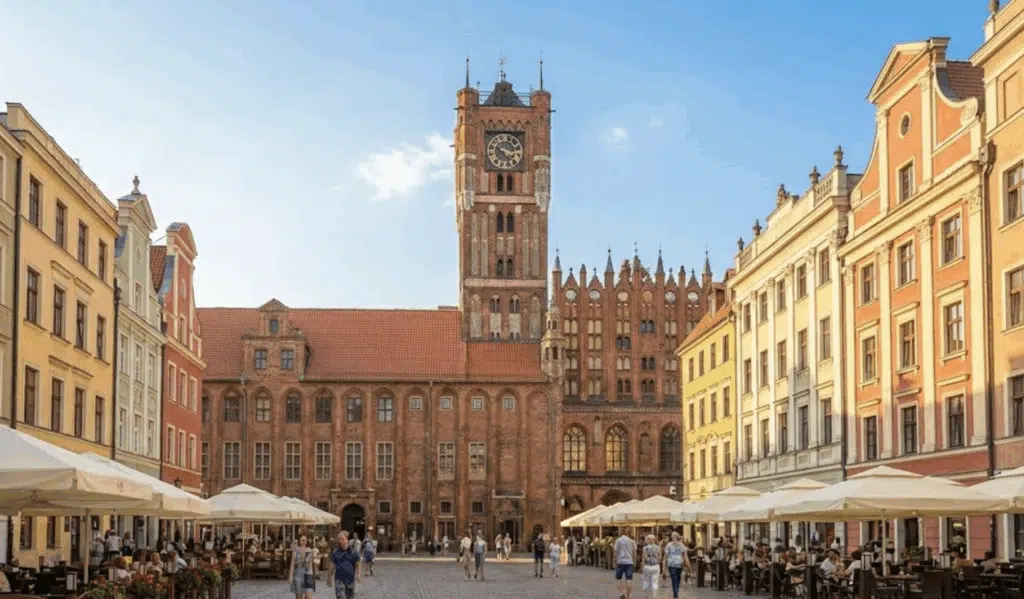
5. Toruń – Copernicus’ Birthplace
This UNESCO-listed medieval town on the Vistula River doesn’t just trade on its famous son’s reputation (though Nicolaus Copernicus certainly helps). Toruń survived World War II remarkably intact, leaving us with one of Europe’s best-preserved medieval trading centres.
What Makes It Special: The Medieval Town of Toruń, inscribed on the UNESCO list in 1997, showcases an exceptionally complete picture of medieval life. Its Gothic architecture—including imposing churches and the famous leaning tower—represents the highest achievements in medieval brick-built design.
Don’t Miss: Visit the house where Copernicus was born (now a museum), sample Toruń’s legendary gingerbread (pierniki), and explore the Gothic Old Town, where nearly every building dates back to the 14th or 15th century.
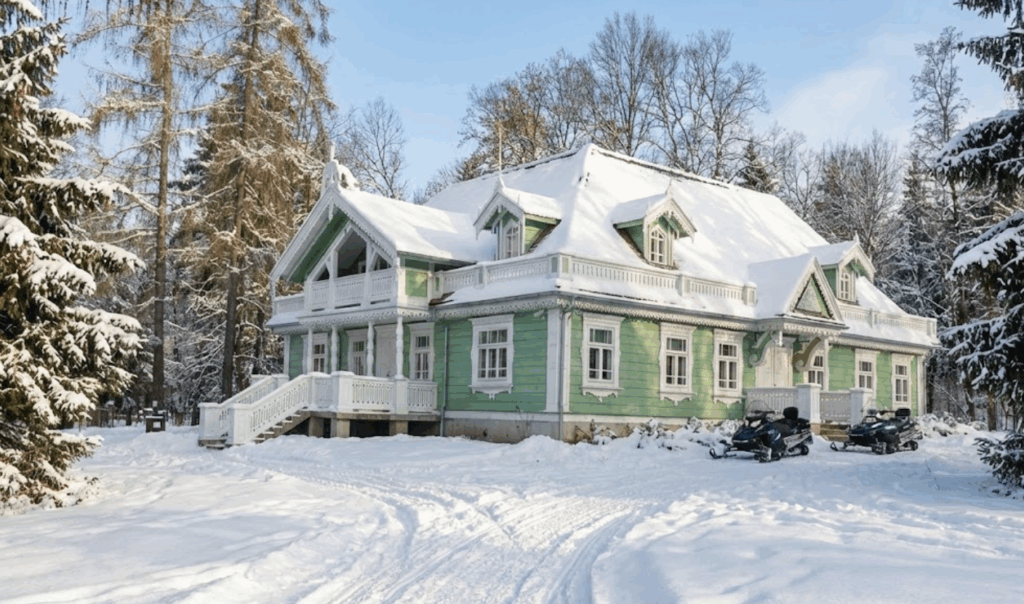
6. Białowieża – Gateway to Europe’s Last Primeval Forest
This tiny village on Poland’s eastern border might only have a few hundred permanent residents, but it guards something priceless: Białowieża Forest, Europe’s last remaining primeval forest and home to the mighty European bison.
What Makes It Special: The Białowieża National Park, a UNESCO World Heritage site, preserves over 150,000 hectares of forest that has remained largely unchanged for thousands of years. This is where you can walk among trees that were ancient when your great-great-grandparents were born.
Don’t Miss: Join a guided tour into the strict reserve area (the only way to access it), visit the European Bison Show Reserve to see these magnificent creatures up close, and explore the Nature Education Centre to understand the forest’s ecological importance.
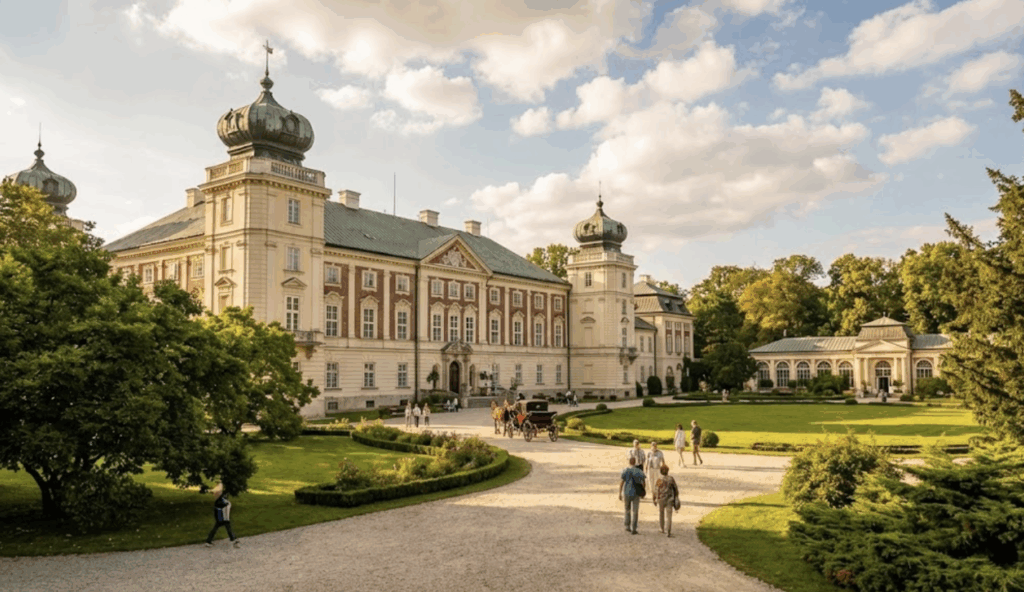
7. Łańcut – Castle Town Extraordinaire
Łańcut might be small, but it packs an aristocratic punch thanks to one of Poland’s most magnificent palace complexes. The town grew up around the castle, and that architectural masterpiece still dominates both the skyline and the local imagination.
What Makes It Special: Łańcut Castle houses an impressive collection of art, furniture, and one of Europe’s finest carriage museums. The palace’s opulent interiors and sprawling gardens offer a glimpse into how Poland’s nobility once lived (spoiler: very comfortably).
Don’t Miss: Tour the castle’s lavishly decorated rooms, admire the extraordinary collection of horse-drawn carriages, and stroll through the romantic landscape park that surrounds the complex.
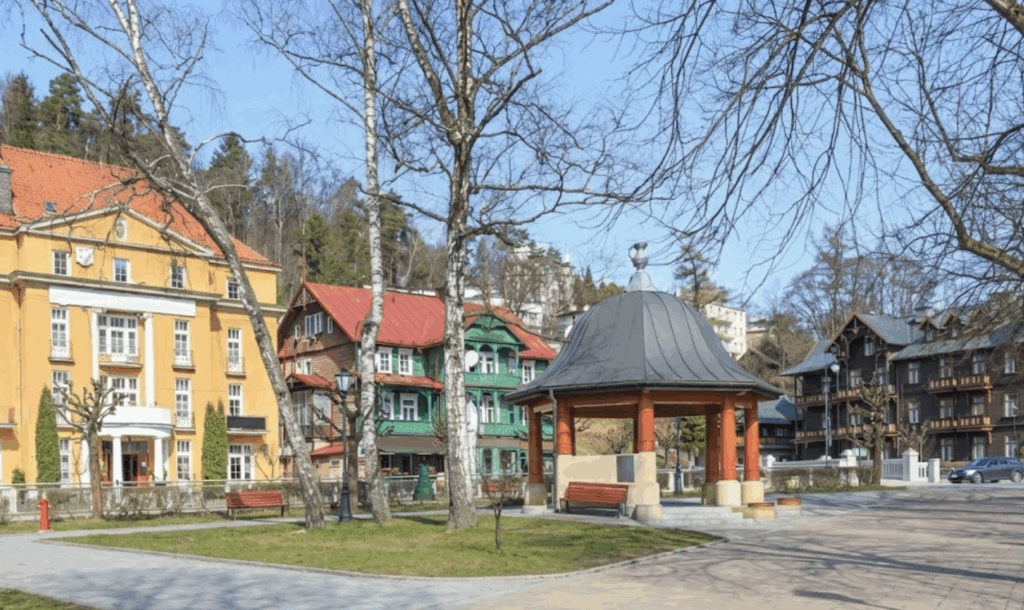
8. Krynica-Zdrój – The Pearl of Polish Spas
Nestled in the mountains of southern Poland, Krynica-Zdrój has been pampering visitors with its mineral waters since the 19th century. This elegant spa town combines Belle Époque architecture with mountain scenery for a distinctly sophisticated vibe.
What Makes It Special: The town’s mineral springs are said to have healing properties, and the elegant pump room where you can sample them feels like stepping back into a more graceful era. The surrounding mountains provide excellent hiking and skiing opportunities.
Don’t Miss: Sample the mineral waters (don’t worry, they taste better than they smell), ride the gondola up to Jaworzyna Krynicka for mountain views, and wander through the charming spa district with its ornate wooden architecture.
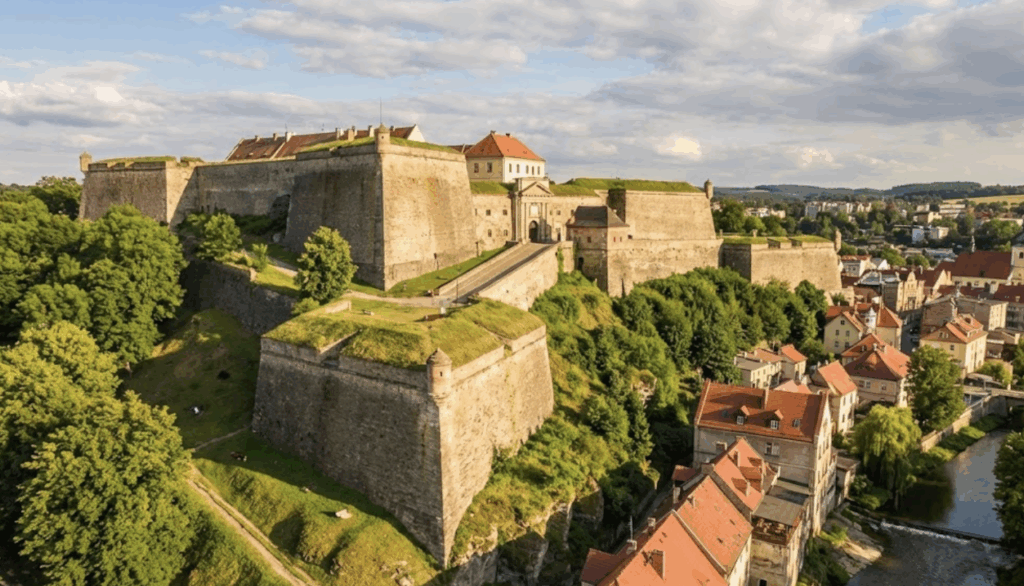
9. Kłodzko – The Fortress Town
Strategically positioned in the Kłodzko Valley, this town has been contested by various powers throughout history—and the impressive fortress perched above it tells that story. Kłodzko offers a fascinating blend of Polish, Czech, and German influences.
What Makes It Special: The massive 18th-century fortress, with its underground passages and bastions, dominates the town. Below, the Gothic bridge with baroque statues (a miniature version of Prague’s Charles Bridge) and the medieval town centre create an atmospheric setting.
Don’t Miss: Explore the fortress and its underground maze, cross the historic Gothic bridge, and visit during the summer music festivals when the fortress becomes an open-air concert venue.
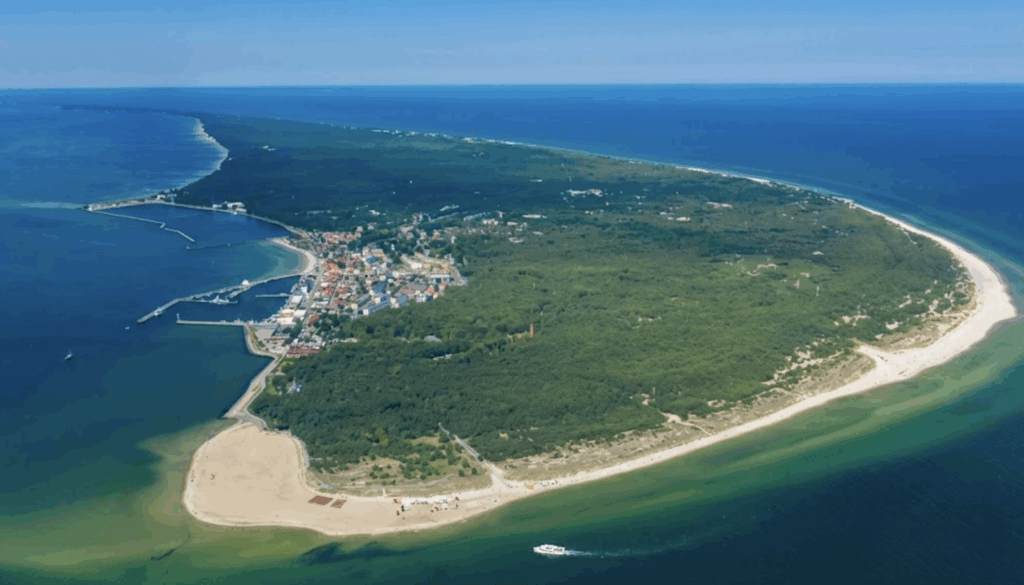
10. Hel – The End of the Earth
Located at the very tip of the Hel Peninsula—a narrow strip of land jutting into the Baltic Sea—this fishing village feels like the edge of the world. On one side: the open Baltic. On the other: the calm waters of Puck Bay. It’s quite literally surrounded by sea.
What Makes It Special: Hel offers some of Poland’s best beaches, fascinating maritime heritage (including a seal sanctuary), and the surreal experience of being able to walk from one side of the peninsula to the other in minutes.
Don’t Miss: Visit the seal sanctuary at Hel Marine Station, explore the coastal defence museum, rent a bike to cycle along the narrow peninsula, and watch windsurfers catch the Baltic winds.
Your Polish Adventure Awaits
Poland’s small towns offer something increasingly rare in our connected world: the chance to slow down, explore at your own pace, and discover places that still feel genuinely undiscovered. Whether you’re clambering through underground tunnels in Sandomierz, tracking European bison in Białowieża Forest, or simply savouring pierogi in a centuries-old market square, these towns promise memories that’ll last far longer than any city break.
The best part? You don’t need to choose just one. Poland’s relatively compact size and excellent transport links make it easy to string together several small-town adventures in a single trip. So grab your most comfortable walking shoes, download a Polish phrasebook (or at least learn to say “dziękuję”—thank you), and get ready to fall in love with Poland’s most charming secret spots.
Your authentic Polish adventure starts here—in towns where history isn’t something you observe behind glass, but something you walk through, taste, and live, if only for a few magical days.

Bartosz
Bartosz is a travel writer, photographer & founder/editor of theuniquepoland who tells stories of adventure, history and current affairs. He writes mainly about travel, with special focus on Poland. He loves travelling, discover new unknown and inspire others.


You May Also Like
Polish Milk Bar – Real Communist-Era Experience

Skiing in Poland: A Guide to the Best Ski Resorts
