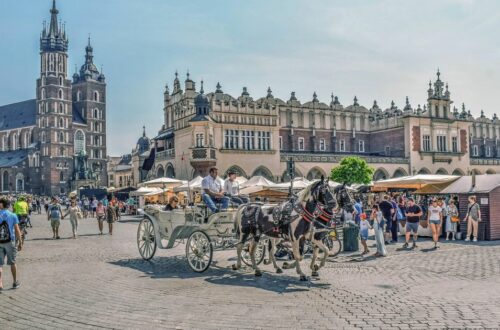
Kazimierz Dolny: Poland’s Renaissance Gem Worth Visiting
Tucked along the banks of the Vistula River, about 120 kilometres southeast of Warsaw, lies one of Poland’s best-kept secrets. Kazimierz Dolny isn’t just another pretty European town—it’s a time capsule of Renaissance architecture, artistic inspiration, and legends that’ll make you wonder why you haven’t heard of it sooner.
This small historic town punches well above its weight. With its colourful merchant houses, cobblestone streets, and dramatic hillside setting, Kazimierz has been attracting artists, poets, and wanderers since the early 20th century. The locals joke that if you throw a stone here, you’ll either hit a painter or a Renaissance building (please don’t actually throw stones—these buildings have survived since the 16th century for a reason).
Ready to discover why this tiny town in Lublin Province deserves a spot on your Polish itinerary? Let’s dive in.
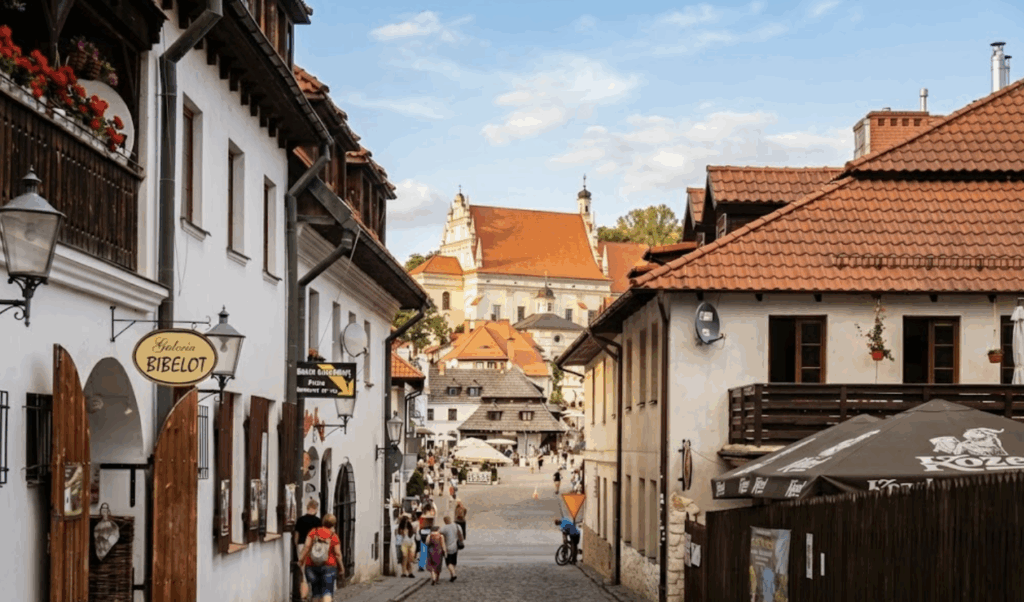
Getting There: Your Journey to the Vistula
Here’s the thing about Kazimierz Dolny—it’s not exactly on the main tourist trail, which is precisely what makes it special. But don’t worry, getting there is easier than pronouncing “Kazimierz Dolny” on your first try.
From Warsaw: Your best bet is to take a train or bus to Puławy (about 130 kilometres), then hop on a local bus for the final 20-minute leg to Kazimierz. The bus journey from Puławy covers just 11 kilometres through the gentle rolling landscape of eastern Poland. Several bus companies service this route, making it fairly straightforward even for first-time visitors.
From Kraków: The journey is longer (around 250 kilometres), but equally rewarding. You can travel via Lublin, which is 50 kilometres from Kazimierz, then catch a connecting bus. Pro tip: check timetables in advance, as services can be less frequent outside peak season.
The journey itself offers a preview of rural Poland’s charm—fields of sunflowers in summer, golden wheat in autumn, and quiet villages that seem frozen in time.
Top Attractions: Renaissance Splendour Awaits
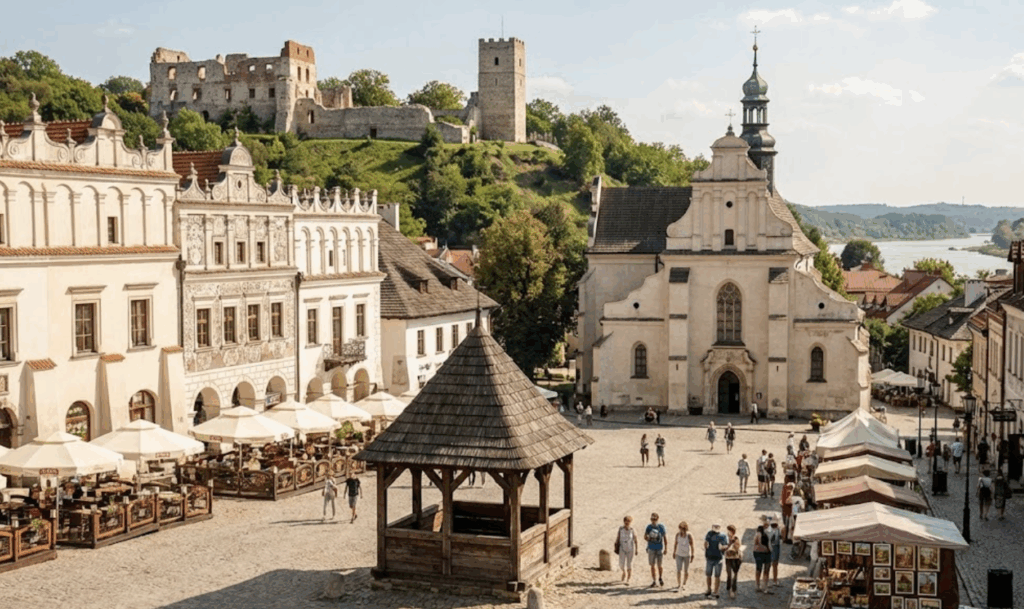
Market Square: The Heart of It All
The Market Square (Rynek) is where Kazimierz’s Renaissance soul really shines. Unlike the grand squares of Kraków or Warsaw, this one feels intimate, almost village-like. Colourful townhouses from the 17th century surround the square, each with its own story etched into decorative facades.
Look up, and you’ll spot the famous “townhouses with attics”—merchant homes built between the 1610s and 1630s when Kazimierz was thriving as a grain trading hub. The wealthy merchants who shipped grain down the Vistula to Gdańsk clearly weren’t shy about showing off their success.
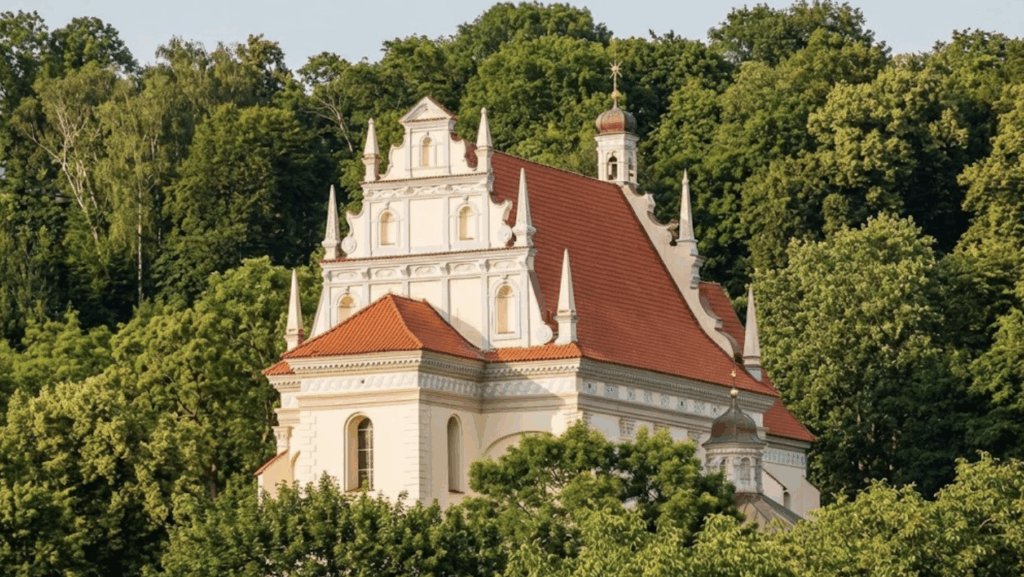
Parish Church of St Bartholomew and John the Baptist
Built between 1586 and 1589, this Renaissance church is an absolute stunner. But here’s what really sets it apart: the church houses organs from 1620 and a pulpit from 1615—both remarkably well-preserved pieces of history that still inspire awe today.
The church sits prominently on a hillside, and climbing up to it gives you your first taste of Kazimierz’s topography. This town doesn’t believe in flat ground, which is part of its charm (though your calves might disagree after a day of exploring).
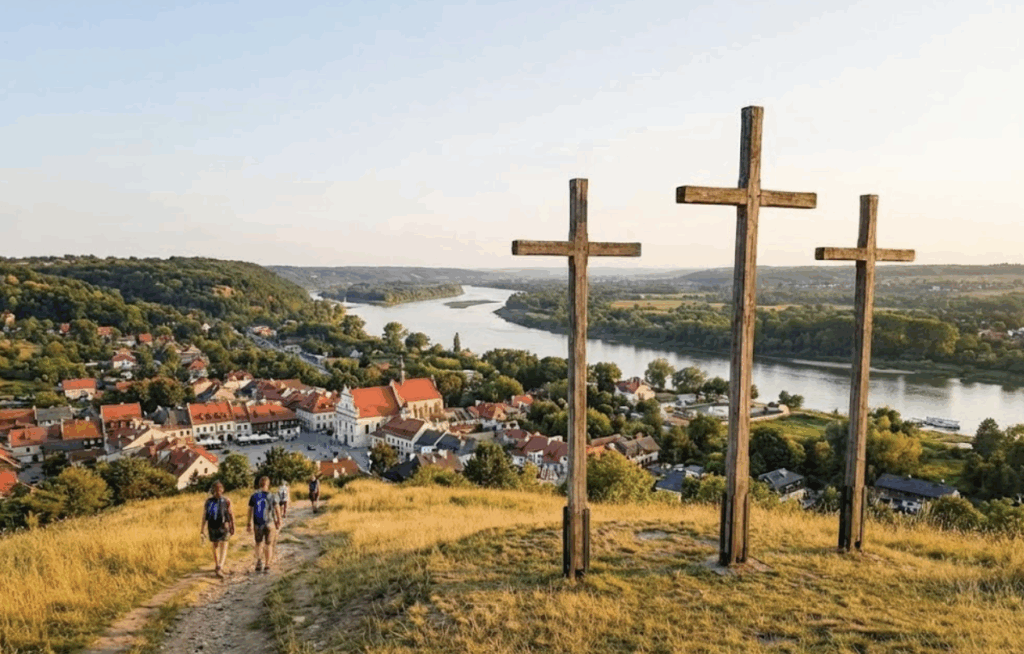
Hill of Three Crosses
If you’re going to climb one hill in Kazimierz (and trust me, you’ll climb several), make it this one. The Hill of Three Crosses offers panoramic views of the Vistula River valley that’ll have you reaching for your camera faster than you can say “Instagram-worthy.”
The three crosses commemorate victims of plague epidemics, but don’t let that dampen the mood—the vista more than makes up for the sombre history. On clear days, you can see the river winding through the landscape like a silver ribbon, with the town’s terracotta roofs spreading out below.
Local Legends and Culture: Where History Gets Interesting
The Tale of the Kazimierz Cockerel
Every Polish town worth its salt has a legend, and Kazimierz’s involves a rather brave rooster. According to local lore, the town’s cockerel (kogut) became a symbol of resilience and pride. While the full story has many variations—each local will swear their version is the true one—the kogut has become so beloved that you’ll spot rooster motifs throughout the town, from shop signs to souvenirs.
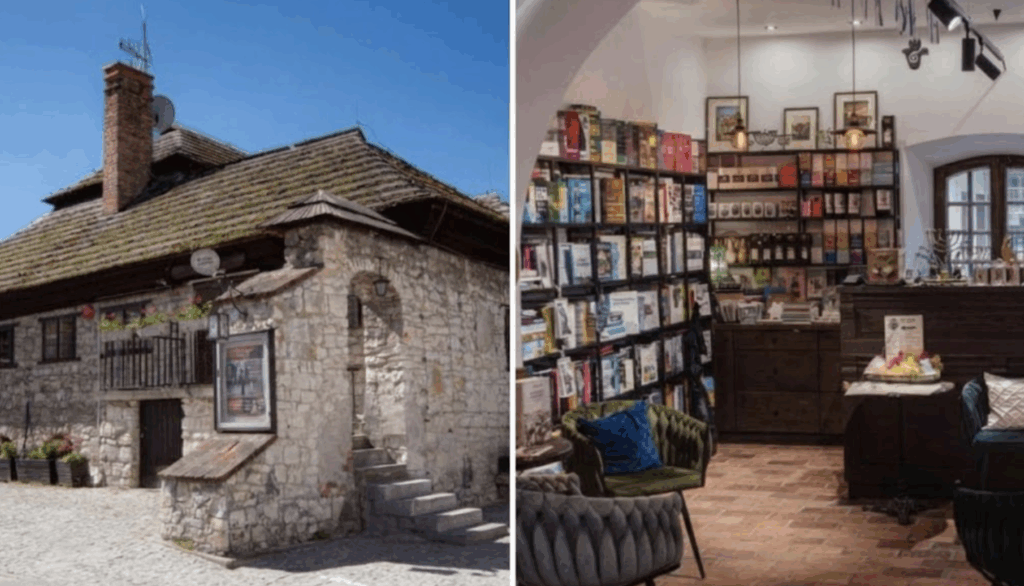
Jewish Heritage
Kazimierz Dolny’s history is deeply intertwined with its Jewish community, which once made up nearly 90% of the population. The town thrived as a centre of Jewish culture, with a vibrant community that contributed to its commercial and cultural life for centuries.
The Jewish cemetery, established in 1851 on a slope in the Czerniawy area on the road towards Opole Lubelskie, serves as a poignant reminder of this heritage. During World War II, the cemetery was devastated by German forces, with many tombstones used to pave streets. In the 1980s, a monument-lapidarium was erected from the remains of 600 tombstones, forming a symbolic Wailing Wall with a “crack” representing the tragic fate of Polish Jews during the war.
The historic synagogue, built in the 18th century as the fourth on that site, still stands in the old Jewish quarter around the Small Market Square and Lubelska Street, offering visitors a chance to reflect on the rich cultural tapestry that once defined this town.
Natural Beauty: Where Earth Meets Art
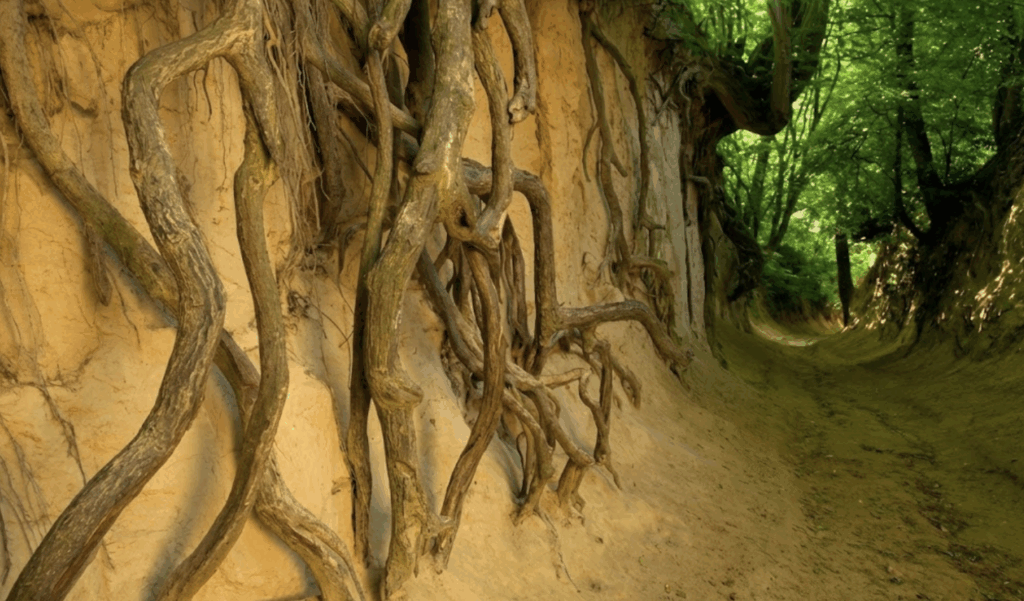
The Loess Gorges: Nature’s Sculpture Garden
Here’s where Kazimierz gets properly magical. The surrounding landscape is carved with unique loess gorges—deep ravines created by water erosion of loess rocks over thousands of years. These aren’t your typical forest paths; they’re nature’s answer to abstract art.
Korzeniowy Dół (Root Gorge)
The star of the show is Korzeniowy Dół, or Root Gorge, considered the most beautiful gorge in Kazimierz. This captivating ravine stretches for about 400-700 metres (sources vary, but the experience is spectacular regardless), with vertical walls reaching several metres high in places.
What makes it truly otherworldly? The exposed roots of ancient trees twist and protrude from the walls in fantastical shapes, creating scenes reminiscent of a Tolkien landscape or fairy-tale forest. These gnarled roots, exposed by erosion, hang suspended in mid-air, forming natural sculptures that photographers and nature lovers absolutely adore.
The walk through takes about 30 minutes return, and the entrance is conveniently located near Przystanek Korzeniowa café—about 2 kilometres from Market Square (roughly a 30-minute walk). Pack comfortable shoes; the terrain can be uneven, but it’s accessible for most fitness levels.
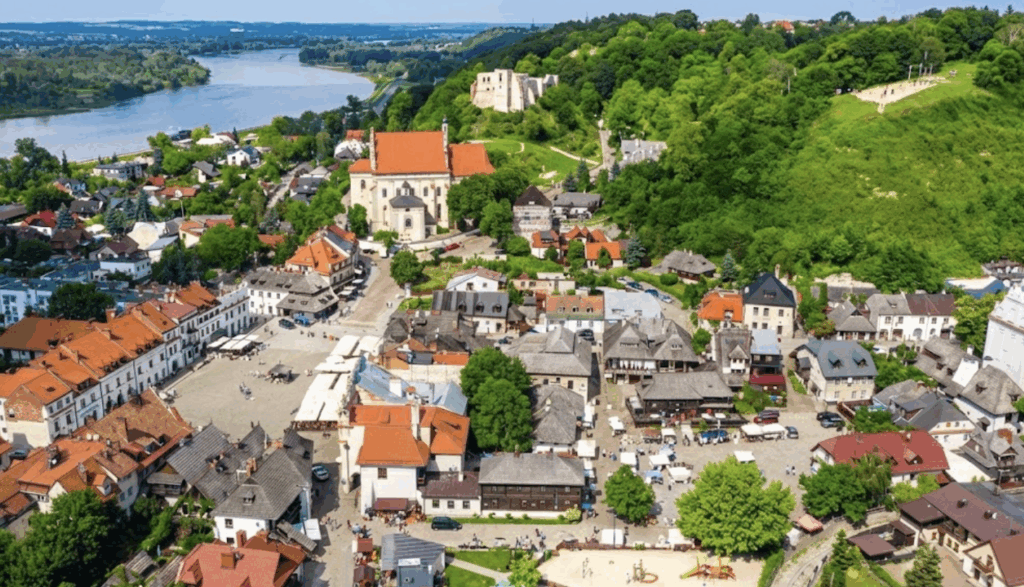
Vistula River Views
The mighty Vistula has shaped Kazimierz in more ways than one. The river wasn’t just a pretty backdrop—it was the town’s economic lifeline, carrying grain to Gdańsk and bringing prosperity to local merchants. Today, it offers peaceful riverside walks and sunset views that’ll make you forget about your daily worries.
Art and Gastronomy: Feed Your Soul (and Stomach)
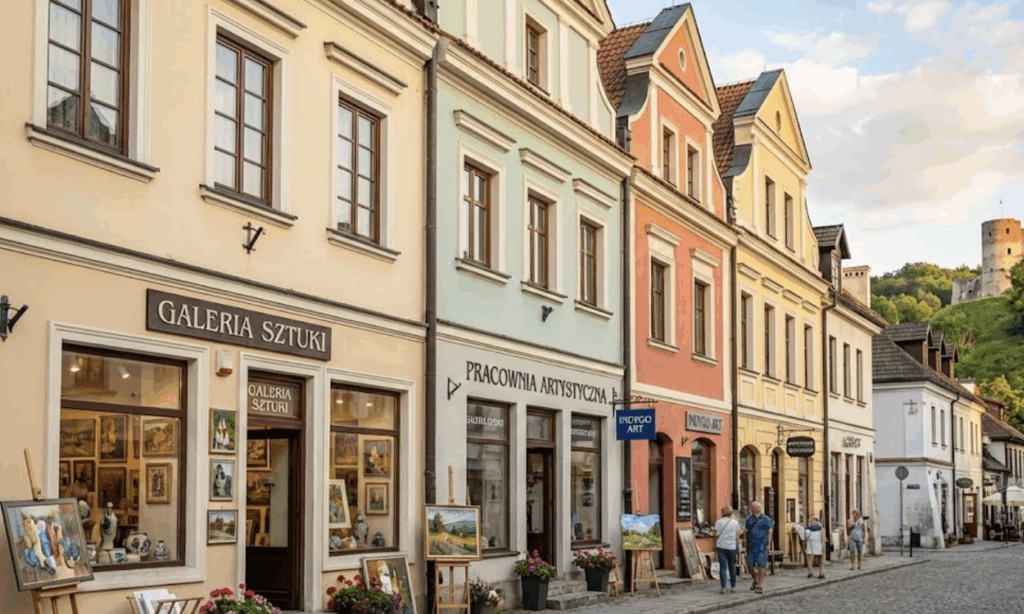
The Artists’ Colony
Since the 1920s, Kazimierz has been a magnet for Polish artists. Walk through any street, and you’ll stumble upon galleries showcasing everything from traditional landscapes to contemporary installations. The town’s unique light—something about how the sun hits the Vistula valley—has inspired generations of painters.
Many artists set up their easels right in the streets during summer, capturing the town’s essence in real-time. Don’t be shy about stopping to watch or chat; most are delighted to share their passion for this special place.

Traditional Polish Cuisine
After all that walking and climbing, you’ll have worked up an appetite. Kazimierz’s restaurants serve hearty Polish classics with a local twist. Think pierogi (dumplings) stuffed with seasonal ingredients, żurek (sour rye soup) that’ll warm you on cooler days, and freshwater fish from the Vistula.
The town is also famous for its kogut kazimierski (Kazimierz cockerel)—a decorative gingerbread that makes for perfect edible souvenirs. Just try not to eat them all before you get home.
Where to Stay: Royal Comfort Awaits
For those looking to truly immerse themselves in Kazimierz’s charm, Król Kazimierz Hotel offers an ideal base. This four-star hotel combines modern comfort with stylish elegance—a fitting match for the town itself.
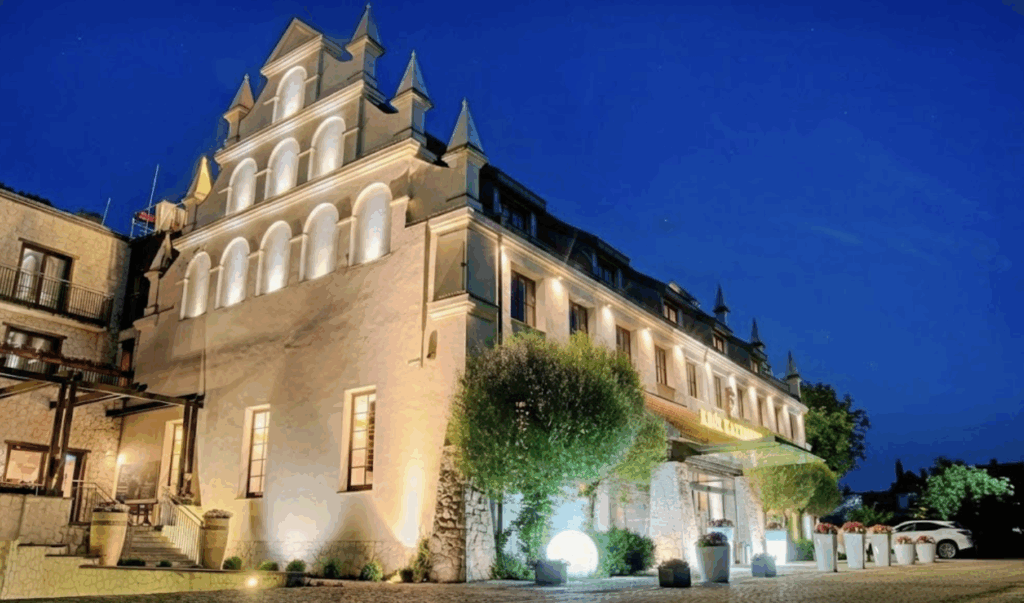
With 115 uniquely designed rooms and suites, each space offers its own atmosphere of luxury while maintaining that distinctive local character. The hotel sits in a prime location on a Vistula bend, providing beautiful river views that capture the essence of why people fall in love with this place.
Beyond comfortable rooms, Król Kazimierz features a spa for post-hike relaxation, a restaurant serving authentic Kazimierz cuisine, and conference facilities for those mixing business with pleasure. The professional service and attention to detail ensure your stay feels truly royal—appropriate for a town that’s been charming visitors since Renaissance times.
Why Kazimierz Dolny Deserves Your Time
Here’s the truth: Poland has no shortage of beautiful destinations. Kraków dazzles with its medieval grandeur. Warsaw impresses with its phoenix-like resilience. Gdańsk charms with its maritime heritage.
But Kazimierz Dolny offers something different—a chance to slow down and savour. This isn’t a place you tick off a list between rushed museum visits. It’s where you spend a long afternoon watching artists work, getting delightfully lost in loess gorges, and discovering that sometimes the best travel experiences come in small, unexpected packages.
The town’s scale works in its favour. You can explore the main sights in a day, but spend three or four days here, and you’ll fall into a gentle rhythm that feels increasingly rare. Morning coffee in the square. A midday hike to the Three Crosses. Afternoon browsing in galleries. Evening pierogis with a Vistula view. Repeat.
There’s no pretence here, no overwhelming crowds fighting for the perfect photo. Just a beautifully preserved Renaissance town doing what it’s done for centuries—inspiring visitors to pause, look around, and appreciate the simple pleasure of being somewhere special.
So whether you’re a history buff drawn to 16th-century architecture, a nature lover eager to explore those fairy-tale gorges, or simply someone who appreciates towns that haven’t lost their soul to mass tourism, Kazimierz Dolny is waiting. Pack comfortable walking shoes, bring your sense of wonder, and prepare to discover why this little gem has been stealing hearts for centuries.
Your adventure awaits in Lublin Province—and trust us, you’ll want to savour every moment.

Bartosz
Bartosz is a travel writer, photographer & founder/editor of theuniquepoland who tells stories of adventure, history and current affairs. He writes mainly about travel, with special focus on Poland. He loves travelling, discover new unknown and inspire others.


You May Also Like
10 Best Things to Do in Poznań: Your Ultimate Travel Guide

Essential Travel Guide to Gdansk Lech Wałesa Airport (GDN)