Hel Peninsula: Poland’s Baltic Sandbar You’ll Never Forget
A slither of golden sand so thin you can see the sea on both sides at once—that’s the Hel Peninsula. And yes, the name really is “Hel.” Locals have made peace with the jokes (“Welcome to Hel!” signs are practically a tourist rite of passage), but there’s nothing infernal about this place.
This ribbon of land curls into the Baltic like a beckoning finger, promising wide beaches, salty breezes, and a slower pace of life. In this guide, you’ll get the geography that makes the peninsula so unusual, the Kashubian culture that gives it soul, and a town-by-town breakdown—complete with where to stay for every budget.
What is the Hel Peninsula and where is it located?
The Hel Peninsula (Półwysep Helski in Polish) is a long, curved sandspit in the far north of Poland, jutting out from the Pomeranian coast into the Baltic Sea. It separates the open Baltic from the calmer waters of Puck Bay—which is exactly why it’s such a playground for water sports. Rough surf on one side, sheltered lagoon on the other.
Here’s what makes it so remarkable:
- Length: It stretches around 35 km from the mainland to the town of Hel at its tip.
- Width: At its narrowest points, the peninsula is barely 100 to 300 metres wide. You could walk from one shore to the other in a couple of minutes.
- Widest point: Near the town of Hel, it broadens out to roughly 3 km.
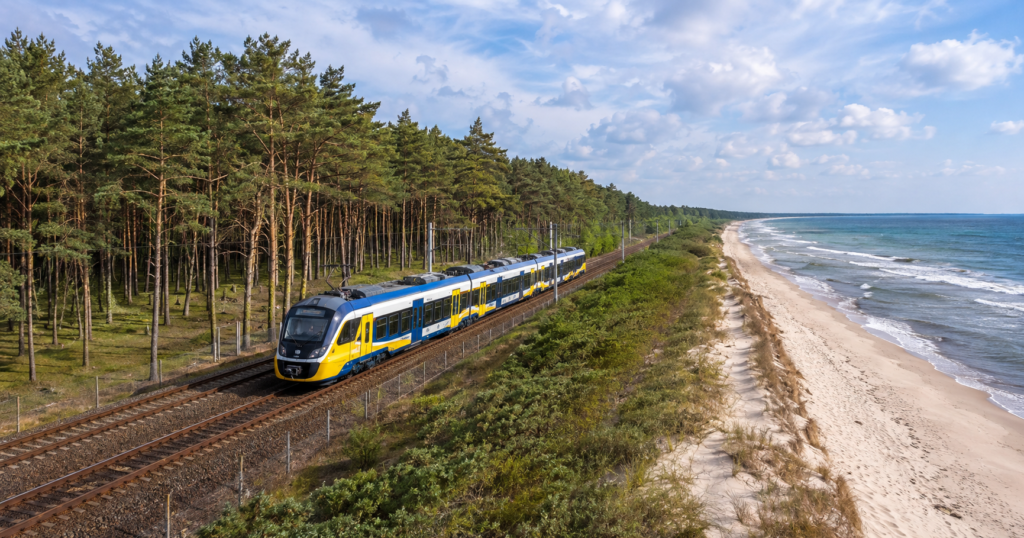
Getting there is refreshingly easy. A single road and a railway line run the length of the peninsula, connecting all the towns like beads on a string. In summer, the SKM commuter train links the peninsula to Gdańsk, Sopot, and Gdynia—the famous Tricity.
Even better, seasonal passenger ferries glide across the bay from Gdańsk and Gdynia straight to Hel, turning your journey into part of the adventure. Arriving by sea, with the lighthouse growing on the horizon, is hard to beat.
What makes the Hel Peninsula’s history and culture so special?
The Hel Peninsula isn’t just pretty sand—it’s soaked in stories.
The Kashubian heritage
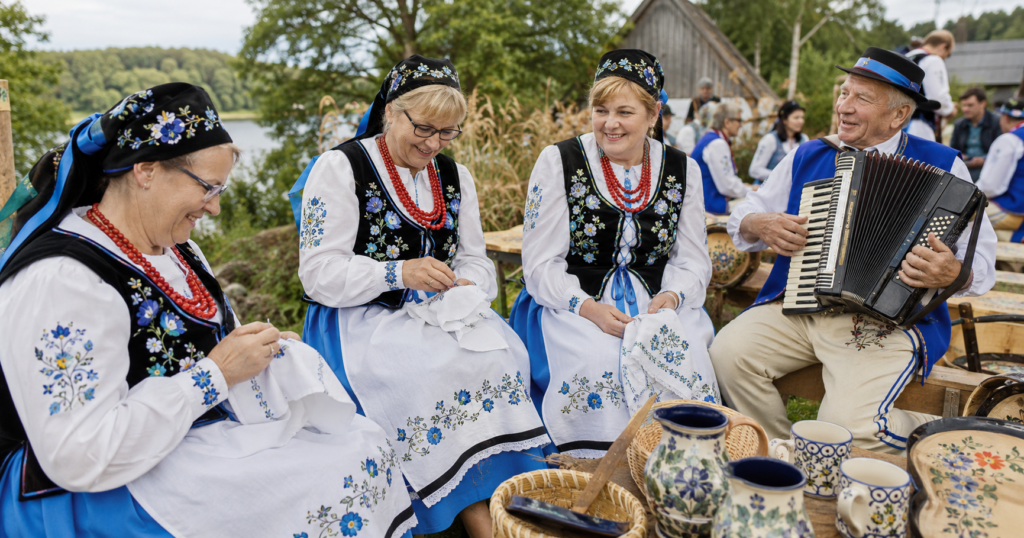
The peninsula sits in the heart of Kashubia, home to the Kashubians, a distinct ethnic group with their own language, embroidery, music, and traditions. Kashubian is officially recognised as a regional language in Poland, and you’ll spot it on bilingual signs throughout the area.
Fishing has shaped life here for centuries, and that seafaring identity still runs deep—in the food, the folklore, and the fiercely proud local character.
Legends and sunken ships
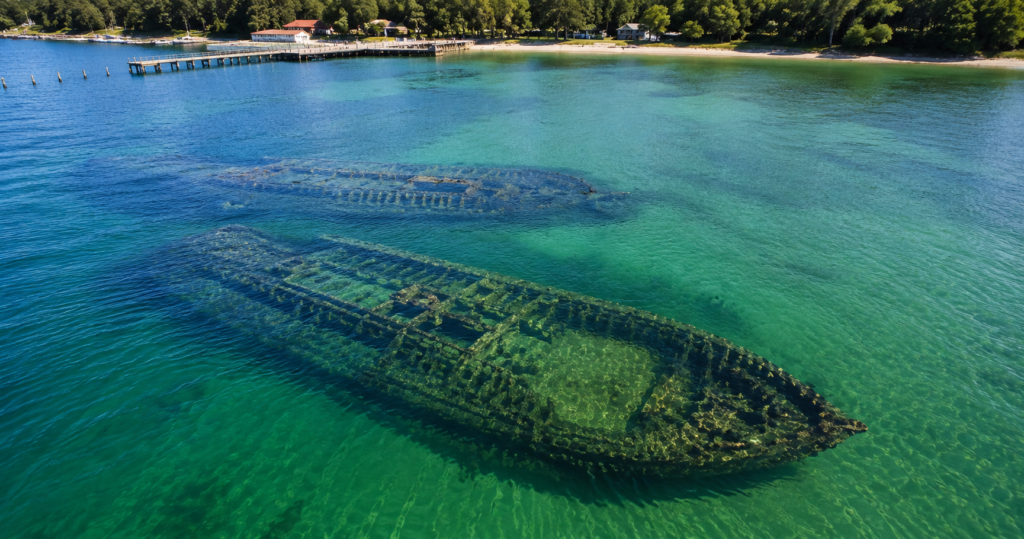
Every good coastline has its ghost stories, and Hel has plenty. Fishermen have long passed down tales of storms, sirens, and vessels swallowed by the Baltic. The waters around the peninsula hide genuine shipwrecks, remnants of both fierce weather and wartime conflict.
During the Second World War, the peninsula was one of the last pockets of Polish resistance in 1939, and its strategic position left behind a scattering of bunkers, batteries, and buried history that you can still explore today.
Which towns should you visit on the Hel Peninsula?
Six towns line this sandy strip, each with its own personality. Here’s your town-by-town guide—including exactly where to rest your head.
What to do in Hel, the town at the tip
At the very end of the peninsula sits Hel itself, the star of the show. Its beaches are broad and blissful, backed by pine forest and dunes, and the water here is calm enough for families.
But Hel is more than a beach town. Highlights include:
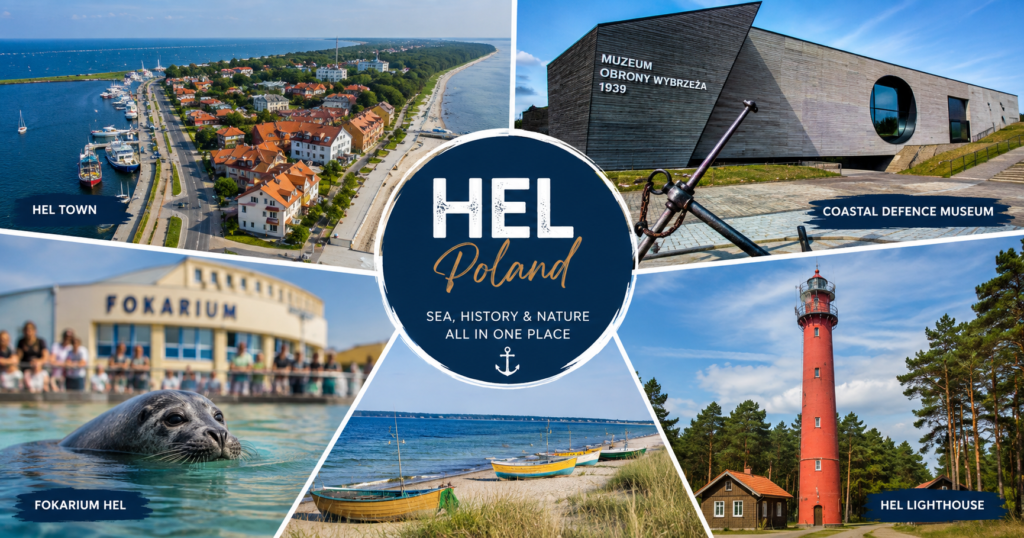
- The Fisheries Museum, housed in a former Gothic church, tells the story of the Baltic’s fishing communities—perfect for a rainy afternoon.
- The Coastal Defence Museum, set among original wartime fortifications, brings the peninsula’s military past vividly to life.
- The seal sanctuary (Fokarium) is the town’s beloved crowd-pleaser. Watch grey seals splash and sunbathe, and time your visit for feeding sessions for maximum charm.
- The lighthouse, standing tall over the treetops, rewards anyone who climbs it with sweeping views of the sea on both sides.
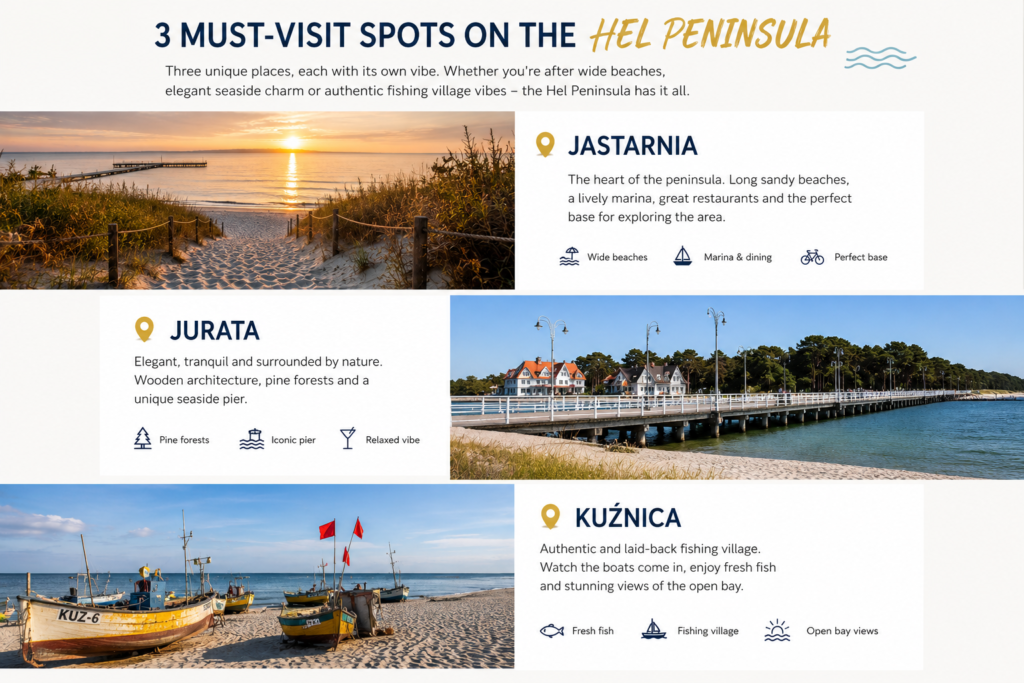
What are Jastarnia, Jurata, and Kuźnica known for?
Cluster these three together and you’ve got the peninsula’s most stylish stretch.
Jurata is the glamorous one—think elegant villas, a long wooden pier reaching into the bay, and a resort atmosphere that has drawn Poland’s well-heeled holidaymakers for decades. Its pine-scented beaches and upscale mood make it feel a touch exclusive.
Jastarnia offers gorgeous beaches and soft dunes alongside a working fishing harbour, giving it an authentic, salty character. It’s a favourite for water sports and long shoreline strolls.
Kuźnica sits at one of the peninsula’s narrowest points, where the two seas nearly meet. It’s a magnet for windsurfers and kitesurfers thanks to reliable winds and shallow bay waters. History fans will also find WWII bunkers tucked among the dunes.
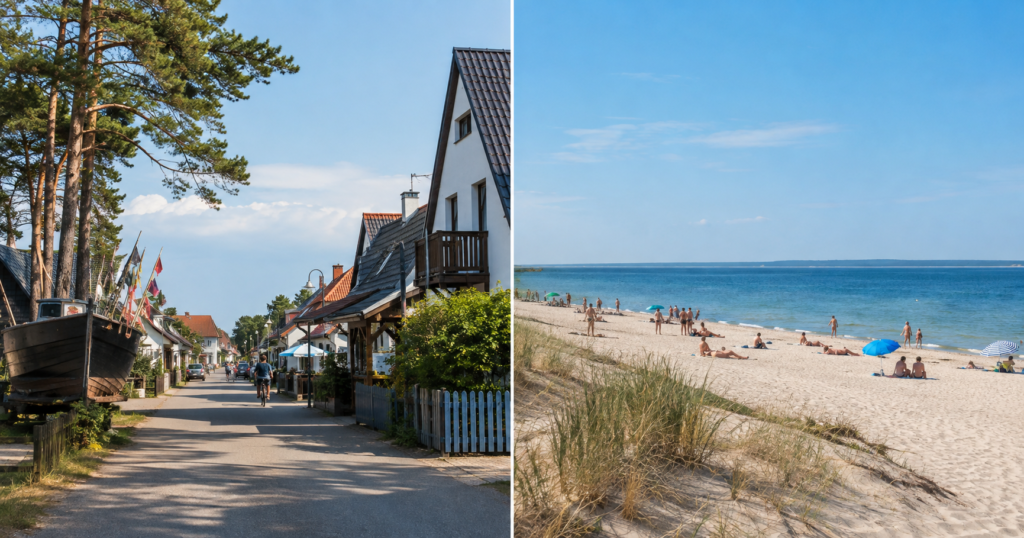
Why is Chałupy a paradise for water sports?
If you feel the wind and instinctively look for a board, Chałupy is your happy place. This small village has earned near-legendary status among windsurfers and kitesurfers, who flock here for the steady breezes and warm, shallow bay water that’s forgiving for beginners and thrilling for pros.
Chałupy is also home to one of Poland’s most famous naturist beaches—a spot immortalised in a cheeky 1980s pop song that most Poles can still hum. Come for the surf, stay for the free-spirited, laid-back vibe.
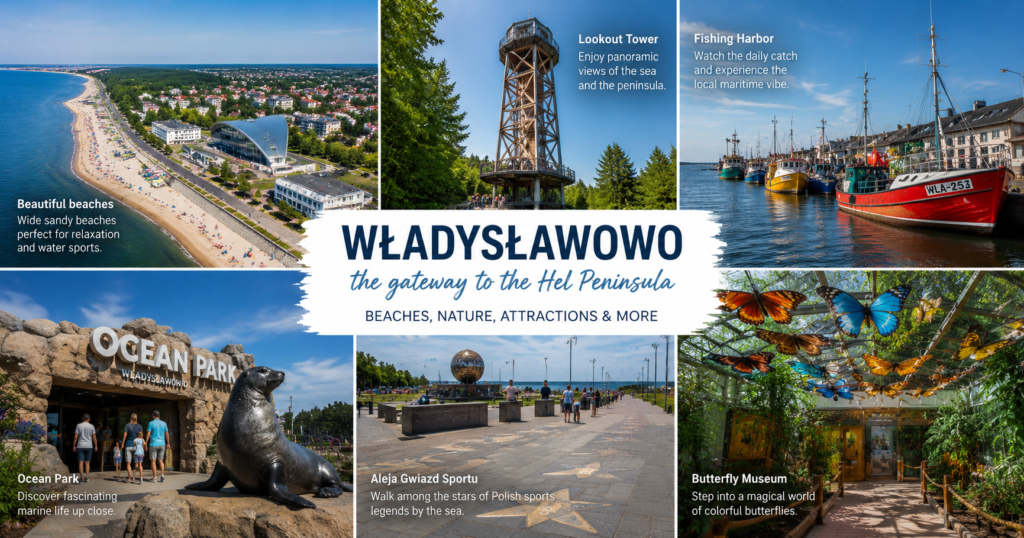
What can you do in Władysławowo?
Guarding the base of the peninsula, Władysławowo is the busy, buzzing gateway town—and it boasts the widest beaches of them all. It’s a proper resort with plenty to keep everyone entertained.
Top attractions include:
- The fishing port, still very much alive with boats and the freshest catch you’ll find.
- The observation tower, offering panoramic views over the peninsula and coastline.
- The Butterfly Museum, a delightfully unexpected escape into a world of tropical colour.
- Sowiński Lunapark, a family favourite packed with rides and games.
- The “sports avenue”, celebrating Polish athletes and perfect for a leisurely wander.
Władysławowo works brilliantly as a base if you want easy access to the whole peninsula plus the amenities of a larger town.
When is the best time to visit the Hel Peninsula?
Summer, from June to August, is peak season—warm weather, lively beaches, and full ferry and train schedules. Expect crowds, though, especially in July and August. For a quieter, more budget-friendly trip with pleasant weather, aim for late spring (May) or early autumn (September). Windsurfers often prefer the shoulder seasons for stronger, more reliable winds.
Ready to discover Poland’s most enchanting sandbar?
The Hel Peninsula packs an astonishing amount into one thin strip of sand—golden beaches, world-class water sports, wartime history, seals, lighthouses, and a Kashubian culture you won’t find anywhere else. Whether you crave luxury spa days in Jurata, adrenaline-fuelled kitesurfing in Chałupy, or a family-friendly seaside escape in Hel, there’s a version of this trip with your name on it.
So start planning. Pick your town, book your stay, and hop on that train (or better yet, that ferry). Once you’ve felt the sea breeze from both sides at once, you’ll understand why travellers keep coming back.

Bartosz
Bartosz is a travel writer, photographer & founder/editor of theuniquepoland who tells stories of adventure, history and current affairs. He writes mainly about travel, with special focus on Poland. He loves travelling, discover new unknown and inspire others.


2 Comments
Simone Salandini
Loved your travel guide.
We are planning a 10 days trip to Poland arriving in Gdnask; we would like to see Trójmiatro e spend few days at Hel Peninsula. Which beach do you recommend?
We love it quiet.
Then we going to the south to meet a local friend to show as the mountains, etc… she’s between Krakow and Katowice town.
It’s our first time in Poland and looking forward to get to known your beautiful country.
Bartosz
Hi Simone,
If you love quiet Bialogora or Piaski are great beaches. However these are not based on Hel Peninsula. Hel’s beaches like Jastrania and Jurata are quite nice. Hope I could help.
Have a great time.