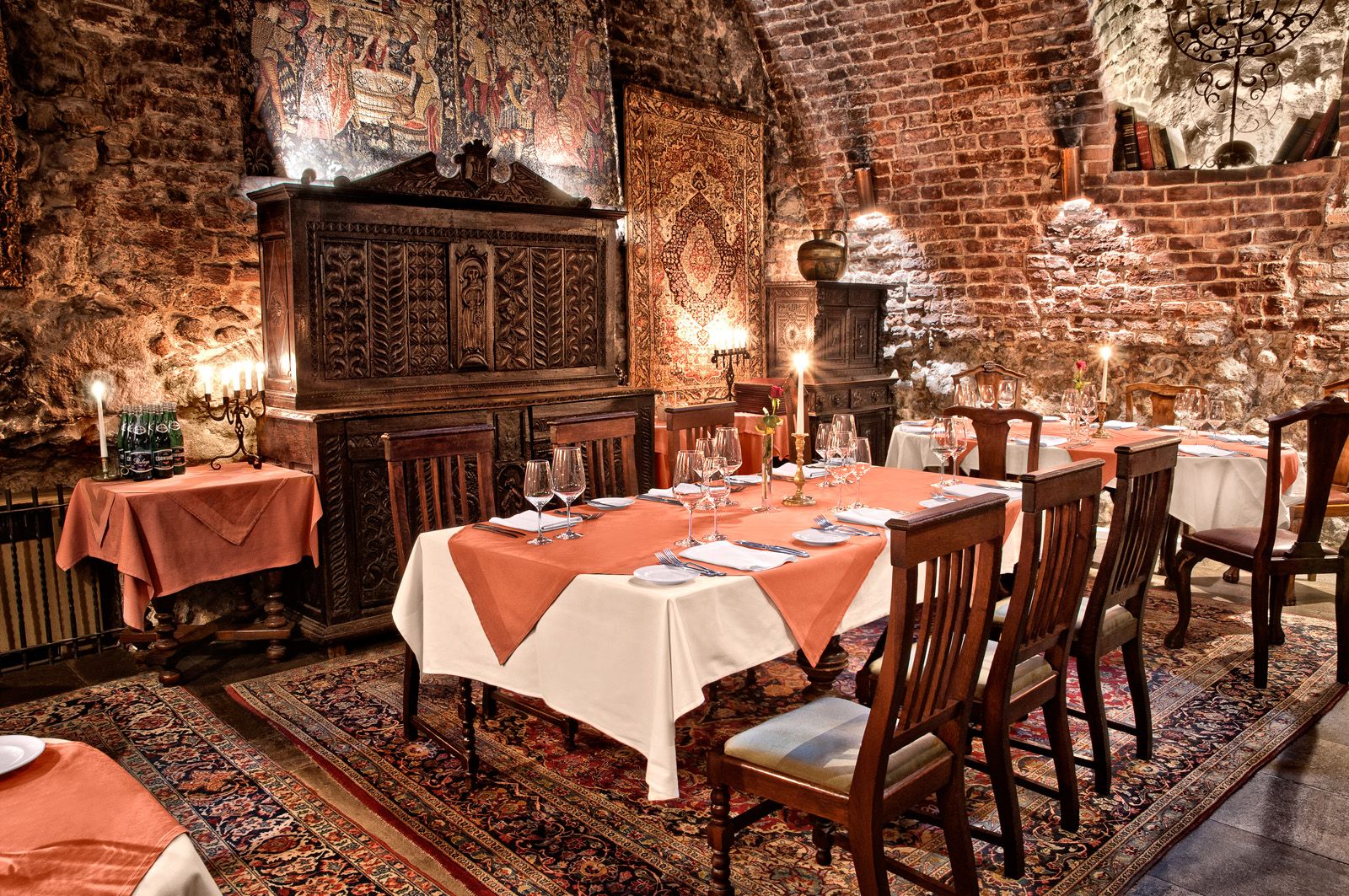
Where to Find the Best Local Food in Poland (No Tourist Traps)
TL;DR: Poland is a goldmine for food lovers, but the best dishes—pierogi, bigos, żurek—are rarely found on tourist menus. To eat like a local, head to milk bars, family-run restaurants, and early-morning markets in cities like Kraków, Warsaw, and Gdańsk.
Let’s be honest: most travellers arrive in Poland expecting dumplings and leave wondering why nobody warned them sooner. Polish cuisine is hearty, deeply flavourful, and rooted in centuries of regional tradition—yet somehow, it still flies under the radar on the international food scene.
The good news? Finding the real stuff isn’t hard. You just need to know where to look (and maybe wander a street or two away from the main square).
Regional Specialities Worth Tracking Down
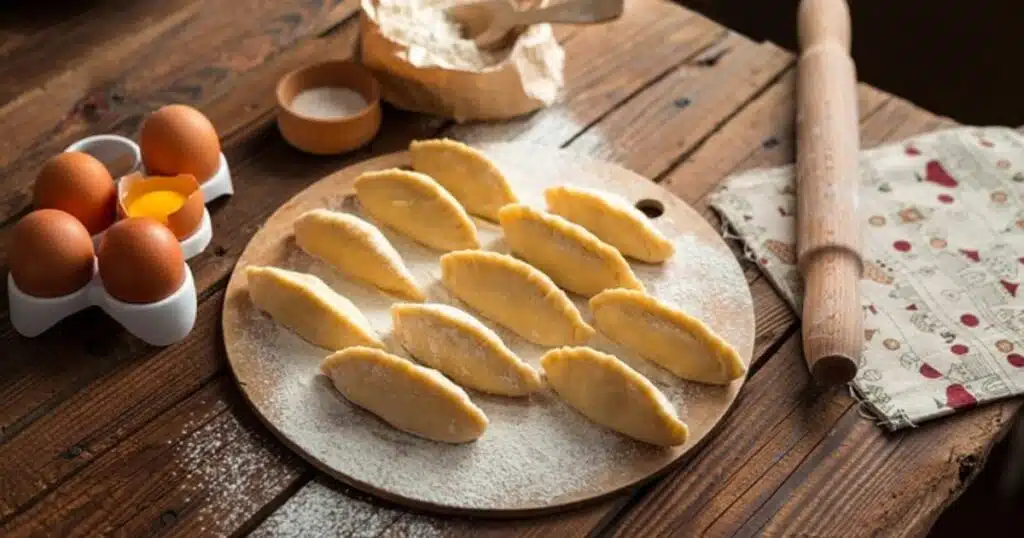
Where can I find the best pierogi in Poland?
Pierogi are Poland’s most iconic dish—soft dough parcels stuffed with everything from potato and cheese to meat, mushrooms, or sweet blueberries. Skip the tourist-facing restaurants on the main drag and head instead to family-run spots in Kraków’s Old Town or Warsaw’s Praga district. Locals queue for these. Follow the queue.
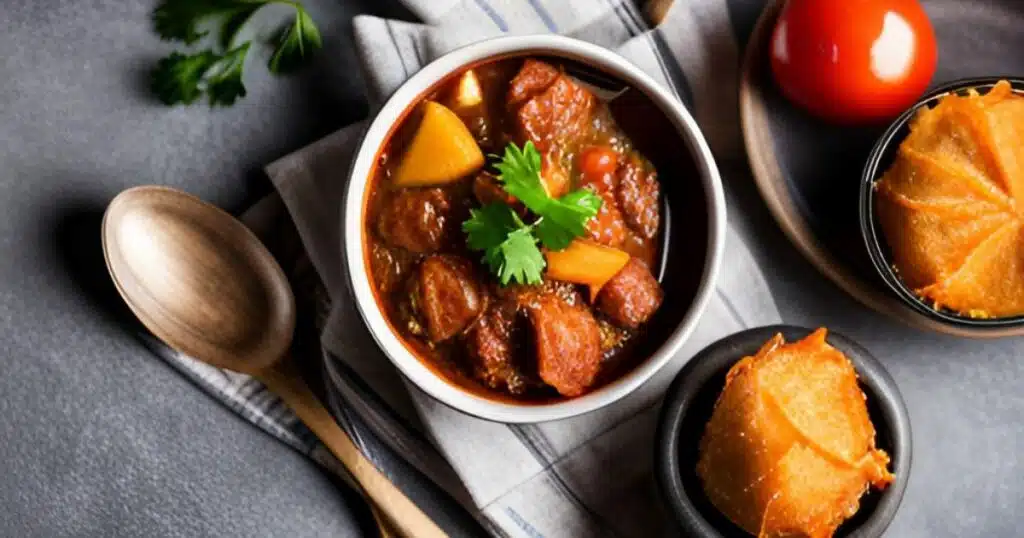
Where is bigos (hunter’s stew) typically served?
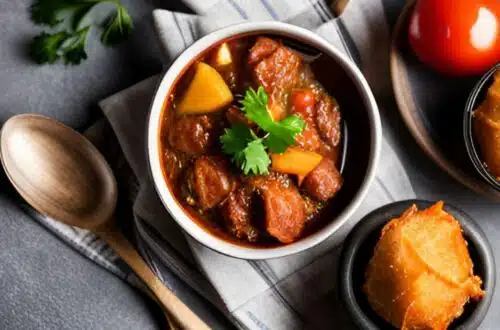
Bigos—a slow-cooked stew of sauerkraut, fresh cabbage, and various meats—is the kind of dish that tastes better the longer it sits. You’ll find the most authentic versions at countryside inns (zajazdy) and regional Polish restaurants outside city centres. If a place has it on the menu year-round, that’s a good sign.
How do I find żurek, Poland’s sour rye soup?
Żurek is a tangy, fermented rye soup typically served in a bread bowl—yes, a bread bowl—with a hard-boiled egg and white sausage. Bar mleczny (milk bars) are your best bet. These canteen-style eateries are beloved by locals for their no-frills, home-cooked food at prices that’ll make your jaw drop.
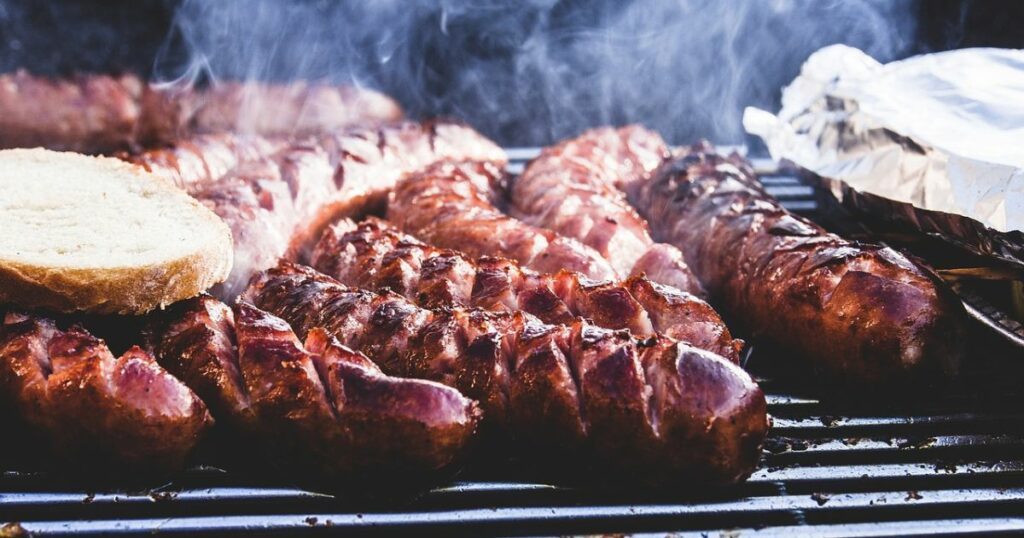
Where should I buy kiełbasa and smoked meats in Poland?
Don’t buy your kiełbasa from a supermarket chain. Instead, visit local markets and specialist butcher shops in cities like Warsaw and Gdańsk, where smoked sausages are taken very seriously. The Hala Mirowska market in Warsaw is a particular favourite.
The Best Places to Eat Like a Local in Poland
Milk bars (bar mleczny) deserve their own paragraph—possibly their own fan club. Originally subsidised canteens from the communist era, they’ve made a full comeback as beloved institutions for budget-conscious locals. A full meal will set you back the equivalent of a few pounds. The food? Genuinely excellent.
Beyond milk bars, smaller towns and villages offer some of the most memorable eating experiences in the country. Without the pressure of tourist footfall, restaurants here focus on what they do well: regional recipes passed down through generations.
Keep an eye out for street food markets and food festivals too, especially in summer. Events like Street Food Polska tour the country throughout the warmer months, bringing together vendors serving everything from oscypek (smoked sheep’s cheese) to zapiekanka (Poland’s answer to open-faced pizza).
For something a little more curated, farm-to-table restaurants have been quietly growing across Poland, with chefs championing hyper-local ingredients and traditional cooking methods. These spots often sit just outside city centres—worth the short journey.
Insider Tips for Food Explorers
- Arrive early at local markets. The best produce goes fast, and vendors are far chattier before the crowds arrive. Warsaw’s Hala Targowa and Kraków’s Stary Kleparz market are both worth an early alarm.
- Ask your hotel staff for recommendations—not the concierge desk, the person at reception who actually lives nearby. Locals know the spots that never make it into guidebooks.
- Walk away from the main square. In Kraków especially, the restaurants one or two streets back are often better and significantly cheaper. Your feet will thank you; your wallet will thank you more.
- Time your visit around a food festival. Events like the Kielbasa Festival in September or regional harvest celebrations give you direct access to traditional food culture in a way that no restaurant can replicate.
Eat Your Way Through Poland—Properly
Poland’s culinary scene has a depth that most visitors never get to experience, simply because they stick to what’s convenient. But convenience is the enemy of a great meal.
The real Poland—the one locals are quietly proud of—is found in a steaming bowl of żurek at a milk bar, a plate of hand-rolled pierogi at a family restaurant, and a slab of smoked kiełbasa from a market vendor who’s been doing this for decades.
Every meal here tells a story. The only question is how many you’re willing to explore.
Frequently Asked Questions
What is the most traditional Polish dish to try as a visitor?
Pierogi is the most iconic Polish dish—dumplings stuffed with savoury or sweet fillings. Other must-tries include żurek (sour rye soup), bigos (hunter’s stew), and kiełbasa (smoked sausage).
Are milk bars (bar mleczny) suitable for tourists?
Absolutely. Milk bars are affordable, unpretentious, and serve some of the most authentic Polish food available. Most have picture menus or English translations, making them easy to navigate.
Which Polish cities have the best local food scenes?
Kraków, Warsaw, and Gdańsk all have excellent local food scenes. For a quieter, more regional experience, smaller towns like Zakopane (known for highland cuisine) or Poznań (famous for its St. Martin’s croissant) are well worth visiting.
When is the best time to visit Poland for food festivals?
Summer and early autumn are peak festival season in Poland. Street food markets and regional food festivals run throughout July, August, and September across major cities and rural areas.
How do I avoid tourist-trap restaurants in Polish cities?
Look for restaurants with menus written in Polish (not just English), check that locals are actually eating there, and explore side streets away from central tourist squares. Asking hotel staff—rather than consulting tourist maps—is also a reliable approach.

Bartosz
Bartosz is a travel writer, photographer & founder/editor of theuniquepoland who tells stories of adventure, history and current affairs. He writes mainly about travel, with special focus on Poland. He loves travelling, discover new unknown and inspire others.


You May Also Like
Fat Thursday: Poland’s Unique Tradition
A Taste of Tradition: Polish Bigos – History, Recipe, & Unique Twist